

Top 10 Questions to Ask Before Buying a High-End Audio Amplifier
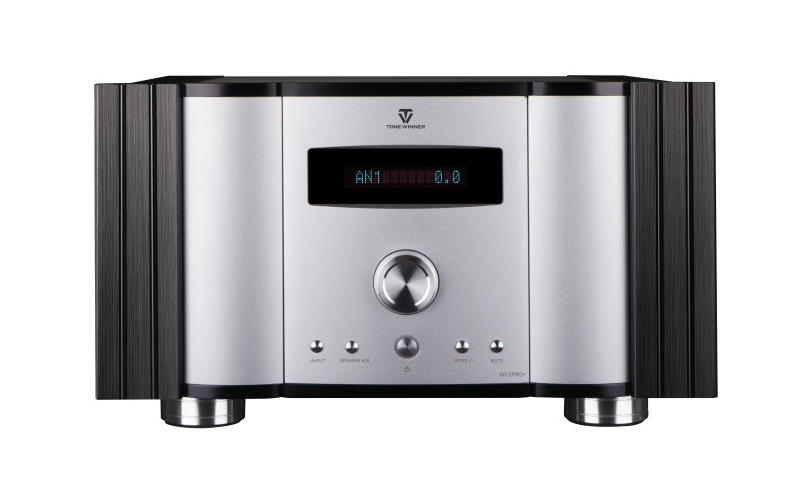
How well does the high-end audio amplifier power output and impedance curve match your current speakers? Not having enough electrical current leads to serious problems from picking the wrong amp. Low-impedance speakers need strong and steady power reserves. Weak driving current lowers the damping factor, causes signal clipping, and creates thermal overload risks for your equipment. Speaker matching directly affects continuous signal clarity during heavy or complex musical passages.
Asking exact technical and practical questions prevents expensive equipment mismatches. You protect your high-performance audio investment by checking power compatibility early on. Correct output pairing guarantees the best possible results and maximum dynamic control from your stereo system. Smart planning gives you the clearest sound while boosting overall performance.
Key Takeaways
- Make sure your amplifier's power fits your speaker's resistance so you can avoid bad sound and broken gear.
- Pick an amplifier design like Class A/B or Class D that balances clear sound with proper cooling.
- Pick balanced XLR cords and quiet amplifiers to stop annoying background noises in your space.
- Choose built-in digital converters and automatic room tuning features to make your music sound great in any room.
- Try out new gear in your house and check the company's guarantee details before you finally buy it.
1. Power Output and Speaker Impedance
Calculating Wattage into Low-Impedance Loads
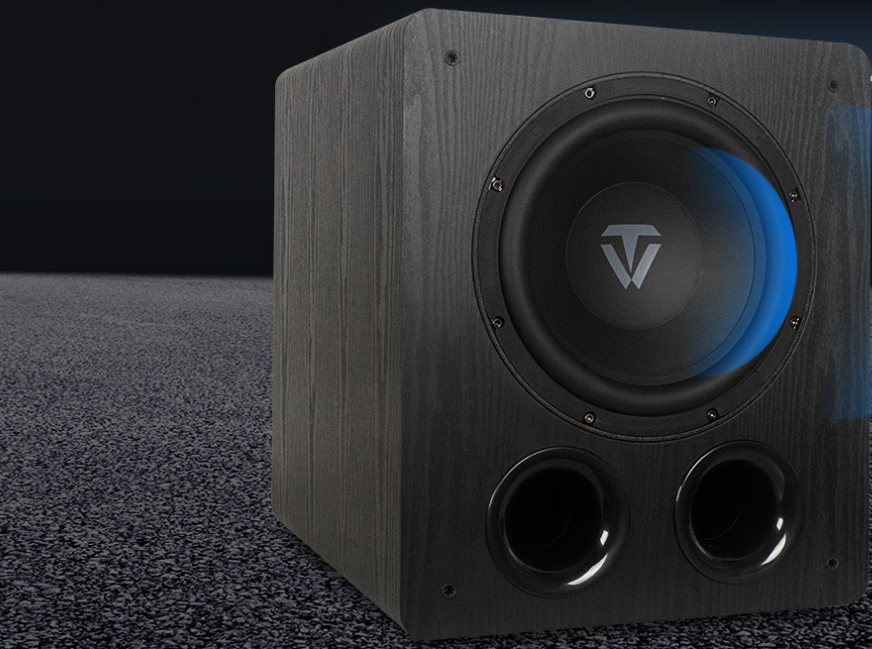
You must check how much steady electrical current your stereo amp gives into low impedance speaker loads. Loudspeaker designs show changing impedance curves across different sound frequencies. Proper speaker matching requires you to check real voltage sensitivity ratings before buying any gear. For example, a listed rating of 91 dB/2.83V/m on a 4-ohm nominal load means 88 dB/W/m true sensitivity. You can easily figure out needed output power with the math formula P = 10^((Required_SPL_at_1m - Sensitivity_S)/10). Driving an 88 dB/W/m speaker to 105 dB SPL at a 3.5-meter distance needs 614 W peak power or 39 W average continuous power.
Knowing these exact numbers keeps sound clear when speaker impedance drops. You can guess power needs using simple sensitivity rules:
- A 3 dB boost in sensitivity cuts your needed stereo amp power right in half, dropping needs from 200 W down to 50 W.
- Checking back-panel plugs, serial numbers, and physical build tags helps you confirm true amp power specs and unit realness.
Damping Factor and Headroom
A high-end audio amplifier controls woofer cone movement well by keeping a high damping factor. Low internal output impedance stops lingering driver shakes quickly after music notes end. Weak power supply current causes harsh signal clipping whenever loud music peaks happen. You avoid the dangers of underpowering your whole stereo system by picking a unit that gives steady, clean current into tough loads.
Large dynamic headroom protects connected speakers during huge volume changes. Big transformer designs help a dedicated stereo amp drive low impedance speakers with ease. You also avoid damaging delicate tweeter voice coils when clean signal output stays steady under heavy use. Check serial tags on your chosen stereo gear to confirm continuous amplifier output. Good power matching between your amplifier and speakers ensures clear sound in your room for your stereo setup.
2. Amplifier Topology and Architecture
Comparing Class A, A/B, Class D, and Tube Topologies
Selecting the right internal layout matters for your home hi-fi system. Pure Class A builds give amazing clarity, but they pull full energy constantly and produce high heat. Balanced Class A/B models mix good power use with clear, crisp sound output. New Class D gears and GaNFET tech offer big power output, lighter builds, and very little extra heat. Traditional tube gear creates rich, warm music, but these delicate setups need frequent care over time. Meanwhile, a solid state unit gives steady daily power without using fragile glass valves.
Music lovers often compare valve sound to solid state reliability. Old-school tube gear uses hot glass valves to make sound signals bigger, adding a sweet, warm tone to your favorite songs. On the other hand, solid state systems use silicon chips to deliver maximum accuracy and sharp details. Any great amplifier will give you strong bass responses and super quiet background noise levels. Your personal tastes will show which style belongs in your setup.
Thermal Efficiency and Heat Dissipation
Keeping gear cool helps it last much longer and stay totally reliable. High-power systems need large metal cooling fins or open vents to manage internal temperatures. Premium brands build their gear using top-tier parts from trusted names like Texas Instruments, Analog Devices, and Panasonic. Tough capacitors made by Panasonic handle high internal heat with zero trouble. Smart audio chips from Analog Devices help clean music signals pass through smoothly every time. Excellent solid-state chips from Texas Instruments keep unwanted background noise super low.
You should give your equipment plenty of open air space for cooling off. Putting a hot-running amp inside a closed cabinet causes standard parts to break down much faster. Gear that stays cool remains completely stable, even through very long music sessions. A solid build shields delicate internal circuit boards from heat damage during daily use. Top-grade internal parts keep your sound clear across all connected speakers for many years. Picking a well-built amplifier ensures long-lasting musical fun right in your living room. A great unit brings real energy directly into your home setup.
3. Distortion and Signal Clarity
Benchmarking High-End Audio Amplifier Metrics
You need to check lab measurements before picking out any high-end audio amplifier. Real test reports show if a unit maintains high sound quality under heavy electrical loads. Total Harmonic Distortion shows the exact amount of bad signal changes in your music path. Low THD numbers mean you get clean sound output without harsh metallic tones.
Engineers test frequency response consistency across the entire audio range from 20 Hz to 20,000 Hz. Look for smooth frequency curves that lack deep dips or high spikes. Flat, steady performance keeps every single instrument note sounding completely real and natural. This balanced signal output offers amazing clarity during soft acoustic songs and loud musical climaxes.
Signal-to-Noise Ratio and Noise Floor
|
Measurement Parameter |
Target Specification |
Listener Benefit |
|---|---|---|
|
Signal-to-Noise Ratio (SNR) |
Exceeding 100 dB |
Background hum disappears completely |
|
Total Harmonic Distortion (THD) |
Below 0.05% |
Preserves instrument tonality and timbre |
|
Frequency Response |
20 Hz to 20,000 Hz (+/- 0.5 dB) |
Maintains full music spectrum balance |
A high signal-to-noise ratio stops annoying background hum from ruining your favorite songs. Internal power parts often create small buzzing noises or constant soft hiss. A low noise floor hides these electrical sounds behind total silence. Quiet circuit pathways make quiet instrument details easy to hear during normal playback.
High-sensitivity horn speakers reveal bad background hiss almost instantly. Clean electrical power protects full soundstage clarity across your entire system. Silent audio channels allow subtle room echoes to reach your ears clearly. Choosing high-performance gear with low noise floor specs guarantees top detail in every room. Every home audio system gets a massive boost from cleaner internal circuits.
4. Connectivity and Digital Integration
Balanced XLR vs. Unbalanced RCA Inputs
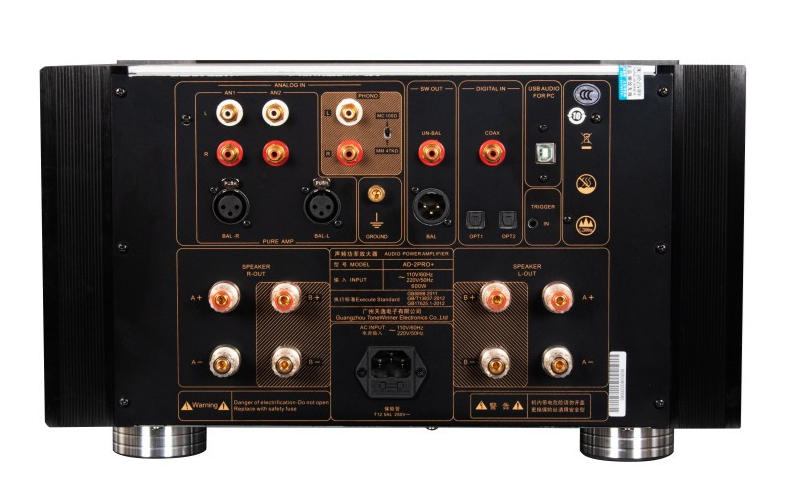
You need proper physical connections to link audio source gear to a stereo amp. Standard unbalanced RCA cables share a single ground path. These lines easily collect noise from nearby home electronics. Unbalanced RCA cables lose signal strength after 2 to 3 meters. RCA turntable runs should stay under 1 meter long. A dedicated stereo amp controls these line signals with absolute precision.
Balanced XLR cables block noise by using two separate internal signal wires. The receiving amp subtracts the cold signal right from the hot signal. This step doubles total signal strength while removing unwanted noise. High-quality preamplifiers reach a Common Mode Rejection Ratio between 80 and 100 dB. Balanced setups run 6 to 10 dB quieter than unbalanced options. You can stretch XLR cables past 100 meters without losing sound quality. Your primary speakers output clearer sound through a balanced audio amplifier. This strong amp powers balanced lines without any trouble.
Integrated DAC and Digital Inputs
Modern digital gear needs a high-grade dac to turn digital data into pure sound. Many shoppers prefer stereo amps with built-in dacs to simplify setup space. An integrated dac inside a stereo amp cuts down on extra hookup cables. This internal dac accepts direct optical or coaxial feeds from digital source units. A built-in dac keeps signal paths brief to reduce timing errors. A main amp directs signal flows while maintaining real stereo balance in any room.
An integrated dac frequently offers dedicated outputs to expand your audio setup. You can send low-frequency signals straight to a powered subwoofer. Using a subwoofer frees main speakers from processing heavy low-end notes. This amp control improves low-frequency sound distribution across the space. Wiring a subwoofer through special outputs boosts complete system performance. Connected speakers deliver improved clarity across a spacious sound field. Choosing a clean amp with an updated dac readies your system for future gear. An extra amplifier feeds additional room zones whenever necessary.
5. Integrated System vs. Separates
Preamplifier and Power Amp Splits
You must choose between a single box or separate parts for your sound setup. An integrated unit combines sound controls and main power circuits inside one simple box. This neat choice saves good shelf space in your home music room. Separate parts keep gentle music signals away from heavy speaker power. Splitting these jobs protects small audio signals from bad internal hum and noise.
Flexible setups make it simple to upgrade your equipment later on. Top lines like ToneWinner's AD series show how special gear sends big power to connected speakers. Separate power units drive tough main speakers without any electrical stress. You can swap one piece easily without buying a whole new system. Keeping high-power parts separate helps your speakers play clear, accurate, and exciting sound.
Stereo Amp vs. Separates Configuration
|
Setup Type |
Main Advantage |
Upgrade Path |
|---|---|---|
|
Integrated Unit |
Saves space and reduces hookup wires |
Replace entire box |
|
Separate Components |
Delivers maximum power and lowest noise |
Replace preamplifier or power unit individually |
A classic stereo amp offers great sound for normal two-channel music listening. Using a special stereo amp keeps wide sound spaces clear between both main speakers. Still, multi-channel separate parts give you smart choices for building a home theater. Modern audio processors handle new movie sound formats like Dolby Atmos, DTS:X, and HDMI 2.1. These smart devices play surround sound for super fun movie nights.
Separate gear makes adding a new subwoofer to your setup very simple. A powered subwoofer plays deep bass while the main amp drives the stereo system. You get strong low notes without stressing your primary stereo amp setup. Multi-channel power units easily send music to extra rooms, while a good stereo amp handles two main speakers for balanced sound. Picking separate parts protects your money while building a great home audio system. High-quality music gear adapts to new room setups and keeps your sound clean through every special amplifier.
6. Room Size and Choosing the Right Amplifier
Matching Decibel Output to Room Acoustics
Room size determines how much energy your audio system requires. Smaller listening areas absorb less power from your stereo setup. Because of this, a compact unit easily powers standard bookshelf models to high volumes in smaller spaces. A good stereo setup delivers steady energy for daily use. On the other hand, large spaces demand much more continuous energy. Huge open areas need strong power reserves to fill the entire space with rich sound.
Matching wattage to your room size ensures great sound without signal distortion. High-efficiency speakers need fewer watts from your stereo unit to reach high volumes. In contrast, low-sensitivity models in large spaces drain basic energy reserves fast. Picking the correct unit stops clean signals from turning into harsh noise during loud musical peaks. A secondary unit keeps sound clear across extra zones. You protect your entire setup by matching power to room size. A quality unit handles these tough loads easily.
Automated Room Measurement and Calibration
Room walls change sound waves before they reach your ears. Hard surfaces cause annoying bass spikes and hollow mid-range tones. Selecting a unit with built-in digital room tuning solves these acoustic problems easily. Modern audio setups play test tones through your equipment to map physical room reflections. This flexible unit handles low notes smoothly. Advanced digital processing then tunes internal frequency responses to produce clear sound quality in any room.
Special Easy Test EQ™ (ETQ) tech makes these acoustic adjustments super simple for anyone. Built-in Dirac Live software also studies exact room responses across different seating positions. These digital tools clear up muddy bass while improving overall system performance across all sound frequencies. A smart stereo unit fixes timing errors fast. Your main speakers play clear sound across your primary seating area. A backup unit powers multi-channel setups smoothly.
Using automatic tuning allows every system part to work smoothly under normal conditions. A well-tuned stereo setup fills your home with balanced music. You get clear stereo sound without hanging ugly foam panels on your walls. A dedicated audio unit improves every music session. Installing a strong unit boosts overall speaker performance.
7. Power Supply and Thermal Engineering
Toroidal Transformers and Capacitor Banks
A strong power supply gives your home audio system clean electrical power. High-end equipment uses round toroidal transformers to send steady energy to your setup. Their circular shape holds magnetic force right inside the center core. This smart build lowers stray magnetic fields by about 90% compared to square EI core styles. That huge drop in extra interference stops annoying hums from entering your sound pathways.
Round toroidal transformers keep their magnetic energy tucked inside their circular shape. This natural design cuts down magnetic leaks much better than boxy builds, greatly lowering electrical noise interference.
Big capacitor banks hold extra power to handle sudden loud spots in your songs. You should pick a system that uses a smooth linear power feed. Good power supplies keep their output voltage steady within a tight 1% range. High-end audio setups drop extra signal bumps below a tiny 1 mVpp level. Quality gear keeps these small bumps under 10 mVpp. Steady voltage stops ugly sound changes when playing heavy music.
Chassis Ventilation and Heat Sink Design
Your main amp gets very hot while playing loud music at high volumes. Heavy daily use puts lots of heat stress on inner circuit boards. Inner power chips need big metal cooling fins to push extra heat out fast. For instance, a 50W unit usually needs a cooling fin rated at 1.5°C/W or lower. That exact rating keeps chip heat levels safe below 100°C.
- Open top and side vents let trapped hot air flow right out of the box.
- Thick metal cooling fins pull dangerous heat straight off sensitive power chips.
- Tall rubber feet lift the bottom frame to boost natural cooling airflow underneath.
Good heat control guards inner parts against sudden heat damage over time. Strong metal fins keep internal heat steady through long music sessions. Leaving plenty of open air space around your unit prevents total system shutdowns. Clear cooling paths shield your gear investment for many years. Proper air movement keeps your amp running safely every single day.
8. Warranty, Service, and Repair History
Verifying Technical Faults and Service History
Check the repair records of any high-end audio amplifier before buying it. Ask the seller for physical service receipts and official maintenance logs. Past owners might have fixed short circuits, blown fuses, or bad power parts. Cheap repair shops often use low-grade replacement components in their work. These cheap pieces change sound quality and shorten the total life of your equipment.
You should also ask about known factory bugs and electrical problems. Older amplifier circuits can develop extra heat or bad hums over time. Request clear pictures of circuit boards if you buy used gear. Look closely for dark burn marks around small internal resistor paths. Finding these hidden problems early protects your money from expensive future repairs.
Manufacturer Support and Parts Availability
Check the warranty coverage and factory rules of the main brand. Top audio brands use strict production methods to guarantee solid quality control. A solid factory warranty protects your money against sudden circuit failures. Official factory coverage gives you peace of mind during daily music sessions.
- Check if the brand lets new owners transfer the original warranty.
- Confirm that the company stocks extra power parts, capacitors, and internal chips.
- Ask about local repair centers located close to your home.
Long-term parts availability matters greatly for high-performance audio amplifiers. Custom power supplies and special cooling fins eventually need fix work. Discontinued internal parts can turn a top amplifier into useless scrap metal. Choosing established brands guarantees easy access to genuine spare parts and expert tech help for decades.
9. In-Home Audition Policies
Testing Synergy with Existing Sources
You need to try a new amp in your own house before buying it for good. Store sales floors have special wall panels and custom power setups. These store setups change the way high-end gear makes music sound. Putting a stereo amp in your real room shows true sound results with your gear. Your actual room size and couch change overall sound balance a lot.
A home trial lets you check physical wiring with your preamps and digital dac tools. Your music sources must send clean signals to the stereo amp without background noise. Good matching stops harsh noise across your current main speakers. Trying gear at home proves total unit balance during normal daily use. You save your money by testing familiar songs on your own setup.
Trial Terms and Return Policy Conditions
Stores give clear trial rules so you can test gear without losing money. Different product types have specific test times and return steps:
|
Product Category |
In-Home Audition Period |
Key Return Condition |
Return Shipping Responsibility |
Refund Timeline After Approval |
|---|---|---|---|---|
|
New Items (e.g., amplifiers) |
30 days from receipt |
Must be in original condition and packaging |
Customer covers return shipping |
Within 10 business days to original payment method |
|
Refurbished Items |
14 days from receipt |
Must be in original condition and packaging |
Customer covers return shipping |
Within 10 business days to original payment method |
|
Non-Returnable Items |
Not applicable (N/A) |
Custom-made goods, media (records), physically damaged items |
N/A |
N/A |
You must use these exact steps whenever you want to send back a unit:
- Send an email to Merchant after-sales email within your allowed trial days.
- Check that the item stays in original condition inside its original factory box.
- Pay for the mail cost to ship the unit back to the seller.
- The seller checks the returned gear right when it arrives back at the shop.
Once approved, your money returns to your original payment card within 10 business days.
Following these exact steps keeps your service smooth and easy. Good packaging keeps the stereo amp safe on its trip back to the factory building. Testing a strong amp on your main speakers gives total peace of mind. You confirm great stereo sound across every single audio channel. This smart choice protects your stereo setup and brings great music fun for years.
10. Resale Value and Upgrade Path
Secondary Market Value Retention
You need to see how much money a high-end audio amplifier holds after you buy it. Popular audio equipment always stays in high demand among buyers. To illustrate this, a classic ML2 set once sold for $30,000 might drop under $10,000 on used gear sites. Buying famous brands helps keep your cash safe.
|
Model Name |
Original Retail Price |
Used Market Comparison |
|---|---|---|
|
Trilogy 958 Triode Reference |
~$7,500 |
Retains high demand among collectors |
|
ML2 |
~$30,000 |
Sells for under $10,000 on used market |
|
Antique Sound Labs AQ1009 |
~$6,000 |
Lower-cost alternative on secondary market |
|
MUSIC REFERENCE 6EM7/13EM7 |
$800 - $950 |
Entry-level model with steady pricing |
|
Retros |
$5,500 |
Discontinued model with active used interest |
Smart shoppers find old-school setups that keep high price tags over time. A cool Retros set originally cost $5,500, but smaller MUSIC REFERENCE models launched around $800 to $950. Names like Naim, Musical Fidelity, and Symphonic Line always keep their value high. A great amp offers clear sound while protecting your money for future system upgrades.
Modular Upgrades and Firmware Support
You must check if the company offers regular software fixes and easy hardware expansion options. Today's smart audio processors need frequent software upgrades to stay working right. During 2023, Dynacord PowerMate models got 2 stable firmware releases, while CMS mixers got 4 stable firmware releases. These fast downloads fix system glitches and add new operational features. The maker saved older downloads for 18 months, keeping full support across 3 firmware generations.
Building a modular system lets you swap out single parts without changing your whole setup. You can pick a standalone amp, powered boxes, or a new processor hooked to basic passive speakers. Software patches like version v1.13.0 for VE units add fresh features like product ID reassignment right to your gear rack. One central unit runs your main room, while another unit powers your extra room zones. A flexible setup changes easily as fresh tech arrives. Buying a modern unit ensures high sound quality for decades with your main amp setup.
Choosing a new sound box requires careful thought. A strong machine protects your expensive sound system by giving your speakers the right energy. Getting great music quality takes real planning. You pick wisely when you find the right machine for your room.
Look over this list before buying any sound machine:
- Match the energy power to tricky speakers.
- Check wire plugs to keep music clear through your home setup.
- Get good home tryout rules for your music room.
Make sure long-term fix choices and company help exist.
This path guarantees awesome music quality. A new music machine improves total system power. You enjoy great sound from your home setup with full system trust and smooth musical balance.
FAQ
How do you match speaker impedance with your amplifier?
Check the standard power ratings listed on your primary speakers. A top-tier sound amp delivers reliable electric power to low-load speakers. Correct electrical pairing stops sound distortion and guards all your linked equipment.
Should you pick a tube or solid state design?
Glass valve setups give a rich, smooth feel to your music. On the flip side, transistor units focus on exact detail. You hear amazing sound quality coming straight from your room's speakers.
Why do you need an integrated dac in a stereo amp?
A built-in digital converter changes computer files into music right inside the box. Shorter internal cables stop frustrating lag errors. This setup sends crisp sound to your main speakers while routing heavy bass to your sub.
How does a stereo amp handle full range sound?
A single sound amp feeds clean two-channel power to your twin speakers. You can hook up a powered sub to take care of low-end thumps. This simple stereo build keeps tough music tracks sounding sharp on your speakers.