Improve Speaker Sound Quality Without Cost: 4 Practical Methods
Many users often find that the sound quality falls short of their expectations after purchasing audio equipment, and their first reaction is often to question whether they have chosen the right equipment. In fact, in most cases, poor sound quality is not an issue with the equipment itself but is influenced by the usage environment and operating methods. The following 4 methods can quickly and significantly enhance the playback quality of your speakers.
1. Scientifically Adjust Speaker Placement
To save space, many users tend to place speakers in the corners of a room. However, this placement causes the bass to become muddy and dull due to wall reflections, while details in the mid-to-high frequencies also become blurred, compromising the overall listening experience.
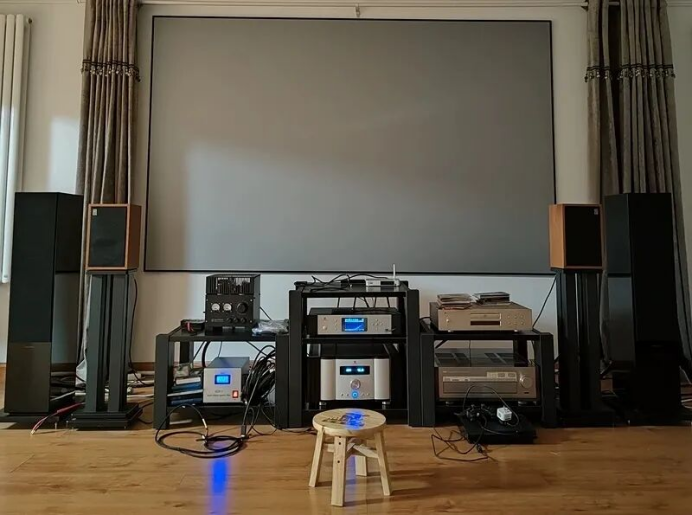
To address this, simply adjust the speakers so that they are at least 20 to 50 centimeters away from the back wall and more than 30 centimeters away from the side walls, leaving ample space for sound diffusion. If the room is limited in size and cannot meet these distance requirements, you can use a sponge to block the bass reflex port at the back of the speaker, which effectively reduces the boomy feeling caused by excessive low frequencies.
2. Reasonably Elevate the Speakers
Most users place speakers directly on hard surfaces such as desktops, TV cabinets, or the floor. This placement causes the speaker cabinet to fit tightly against the hard surface, leading to resonance during playback, unclear vocal reproduction, and compromised sound quality.
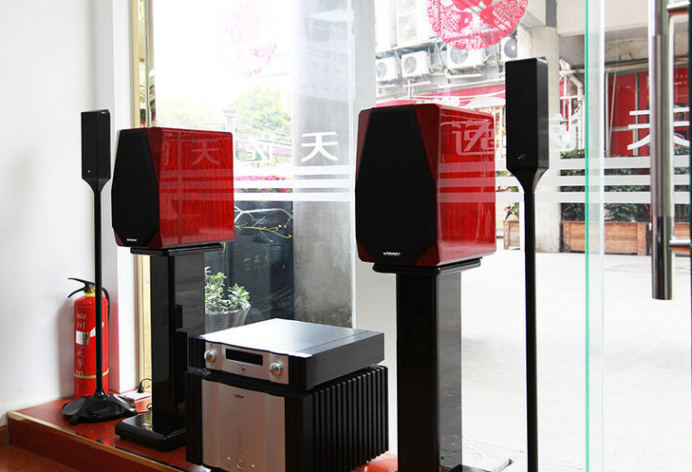
You can use common household items—such as books, solid wood pads, or non-slip rubber pads—to elevate the speakers by 3 to 5 centimeters, completely separating the cabinet from the hard surface. This simple adjustment will significantly improve the speaker’s soundstage and sound layering.
3. Draw Curtains When Playing Music to Reduce Sound Reflection
Hard surfaces in the home, such as windows, smooth walls, and tiled floors, reflect sound, resulting in harsh audio and easy fatigue after prolonged listening.
When playing music, draw thick velvet curtains and lay a carpet. Curtains and carpets act as natural sound absorbers, effectively absorbing excess mid-to-high frequency reflections. Even at the original volume, this eliminates harsh, sharp sounds and makes the sound quality softer and more delicate.
4. Find the Best Listening "Sweet Spot"
Every speaker is designed with an optimal listening position, commonly referred to as the "sweet spot" by audio enthusiasts. If you are not in this position, you will likely only hear scattered sounds rather than a complete soundstage.
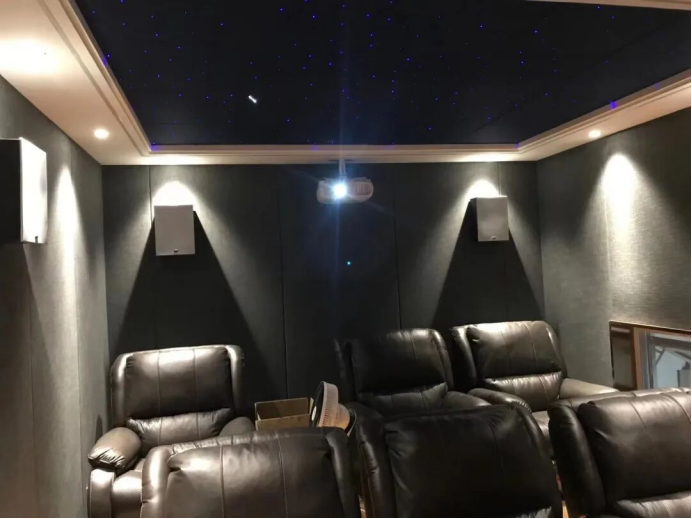
The method to find the "sweet spot" is simple and practical: position the two speakers and your listening seat so that the distance between each speaker and the seat is roughly equal, forming an equilateral triangle. Additionally, adjust the speaker height so that the tweeters are as flush as possible with your ears. This will allow you to find the "sweet spot" and enjoy a complete soundstage and immersive listening experience.
Tel : +86 020 3479 6146
Tel : +86 020 3479 7660
WhatsApp : +86 15812388120
Email : simi@tonewinner.com
Address : Building 2, No.1, Hongsheng 3 Road Dashi Street, Panyu District Guangzhou, 511430 China
© 2026 Guangzhou Tonewinner Electronics Co., Ltd
Sitemap | XML | Privacy Policy |